













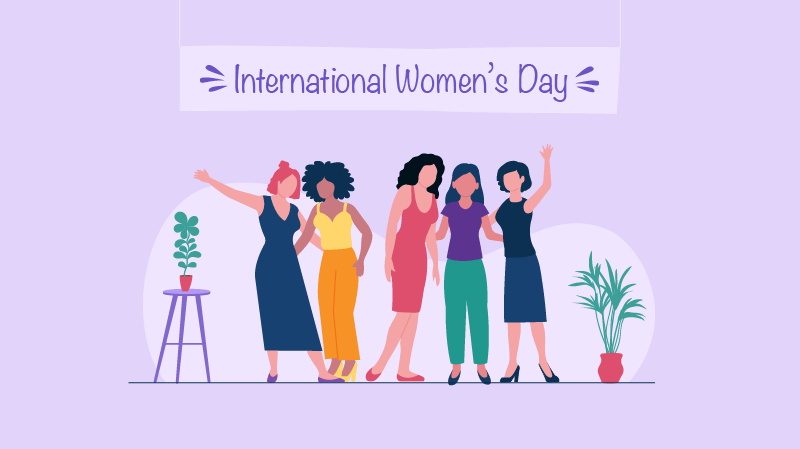
 March 8th has been marked internationally as one of the significant global event where the world comes together to celebrate International Women’s Day every year to recognise women’s achievements around the globe. This day is dedicated to acknowledging social, economic, cultural, and political achievements of women. One of the basic objectives of this women’s day is to reflect on the progress made towards gender equality and to acknowledge the ongoing challenges that women face in various aspects of life and to drive awareness around problems of reproductive rights, gender equality and violence against women.
The Origin of the Event
On the suggestion of activist Theresa Malkiel , it was organised and celebrated in United States on February 28th 1909 in New York City. The first National Woman’s Day was observed in honor of a garment workers’ strike in New York City. At the International Socialist Women’s Conference in Copenhagen, Denmark, in August 1910, German representatives were inspired by American advocates and put forward the idea of creating a yearly ‘Women’s Day’. But no dates were finalised yet.
On March 19 of the following year, millions of people in Austria-Hungary, Denmark, Germany, and Switzerland celebrated Women’s Day. Since then, International Women’s Day has evolved into a worldwide day of acknowledgment and festivity.
The UN initiated the observance in 1975, and by 1977, member states were urged by the UN General Assembly to designate March 8 as the UN Day for Women’s Rights and World Peace. From here, March 8 marked as International Women’s Day.
March 8th, 2024
The world once again came together to celebrate this worldwide event known as International Women’s Day (IWD). ‘Invest in women: Accelerate progress’ is this year’s theme for the International Women’s Day by the United Nations. This theme of IWD’s aims to underscores the importance of directing resources, support, and attention towards women to expedite positive advancements in various aspects of society. This theme encourages the importance of investing in women as a strategic and influential way to drive positive change and move towards a more inclusive and equitable world.
This theme aligned with the priority theme for the 68th Session of the Commission on the Status of Women (CSW-68), which was “Accelerating the achievement of gender equality and the empowerment of all women and girls by addressing poverty and strengthening institutions and financing with a gender perspective”.
Last Year Theme(2023)
The theme for International Women’s Day, 8 March 2023 (IWD 2023) was, “DigitALL: Innovation and technology for gender equality”. This theme aligned with the priority theme for the 67th Session of the Commission on the Status of Women (CSW-67), which was “Innovation and technological change, and education in the digital age for achieving gender equality and the empowerment of all women and girls”.
World Scenario on IWD
International Women’s Day IWD is an official holiday in several countries worldwide, including Afghanistan, Angola, Armenia, Azerbaijan, Belarus, Burkina Faso, Cambodia, China (for women only), Cuba, Georgia, Germany (Berlin and Mecklenburg-Western Pomerania only), Guinea-Bissau, Eritrea, Kazakhstan, Kyrgyzstan, Laos, Madagascar (for women only), Moldova, Mongolia, Montenegro, Nepal, Russia, Tajikistan, Turkmenistan, Uganda, Ukraine, Uzbekistan, and Zambia.
International Women’s Day (IWD) is not an official public holiday however, it is widely observed and celebrated in countries like Australia, Cameroon, Croatia, Romania, Bosnia and Herzegovina, Bulgaria, Vietnam, and Chile.
- Violence In Tehran
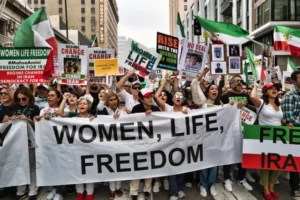 International Women’s Day sparked violence in Tehran, Iran on March 4, 2007, when police beat hundreds of men and women who were planning a rally. A previous rally for the occasion was held in Tehran in 2003. Police arrested dozens of women and some were released after several days of solitary confinement and interrogation. Shadi Sadr, Mahbubeh Abbasgholizadeh and several more community activists were released on March 19, 2007, ending a fifteen-day hunger strike.
- Pakistan’s MeToo Movement
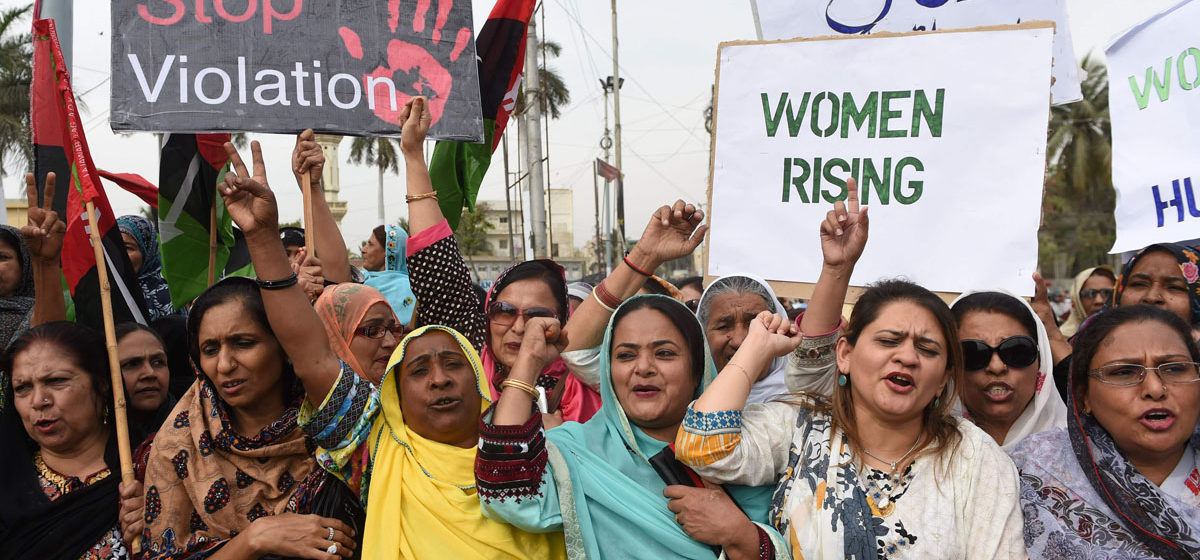
Women in conservative Pakistan have fought for their rights for decades, in a country where so-called honour killings and acid attacks remain commonplace.
In Pakistan, the first Aurat Marches were begun by women’s collectives in parallel with the Pakistani #MeToo movement on International Women’s Day. The first march was held on 8 March 2018 in Karachi. The Aurat March is now an annual socio-political demonstration in Pakistani cities such as Lahore, Hyderabad, Sukkur, Faisalabad, Multan, Quetta, Karachi, Islamabad and Peshawar to observe International Women’s Day.
Outcome and challenges
Women are playing key roles in advancing economic growth, innovation, and social progress in the Asia Pacific region. Whether as entrepreneurs or activists, they demonstrate resilience and leadership. On International Women’s Day, UN Women calls on everyone to increase their efforts and prioritize investment in women and girls to create a brighter future.
Despite strides made in promoting women’s rights and opportunities over the last century, numerous hurdles remain entrenched. Women grapple with systemic obstacles such as gender-based violence, wage disparities, restricted educational and healthcare access, and scant representation in leadership positions.
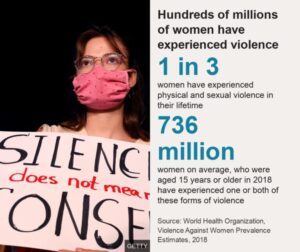 The COVID-19 pandemic has compounded these issues, magnifying existing disparities and hitting women and girls, especially those from marginalized backgrounds, particularly hard. Lockdown measures have triggered a surge in domestic violence cases, disrupted vital services, and worsened economic struggles, amplifying the challenges faced by women, who are disproportionately employed in low-paying and informal sectors.
As we commemorate International Women’s Day, it’s crucial to recognize the strides made while acknowledging the ongoing challenges. Achieving gender equality demands united efforts from governments, corporations, societies, and individuals.
Through challenging traditional gender roles, promoting policy reforms, and fostering women’s leadership, we can forge a fairer and more balanced society for generations to come. International Women’s Day serves as a poignant reminder that the journey towards gender parity is ongoing, but by working together, we can create a more diverse and inclusive tomorrow.